

War in the Gulf may feel distant from British farms. It isn’t.
From oil prices to fertiliser costs and global shipping routes, the conflict with Iran is already testing the resilience of the UK’s food system.
The escalating conflict between the Middle East is first and foremost a grave geopolitical moment and a humanitarian tragedy for those directly involved. But it is also a reminder of something policymakers and business leaders already understand, yet too often treat as theoretical: global food systems are only as stable as the supply chains that sustain them.
Energy prices rise sharply
The events of the past few days in the Gulf have demonstrated just how quickly those supply chains can come under pressure. Within days of the strikes on Iran, energy markets reacted sharply. Brent crude rose roughly 10-13%, jumping from around $73 per barrel before the attacks to roughly $80–$82 in early trading. That movement alone would normally be enough to unsettle agricultural markets.
Natural gas markets reacted even more sharply. Europe’s benchmark gas price briefly doubled in early trading, rising from around €30/MWh to over €60/MWh, as LNG disruption and fears over shipping through the Strait of Hormuz reverberated through the markets. But these price signals are only part of the story.
The Strait of Hormuz
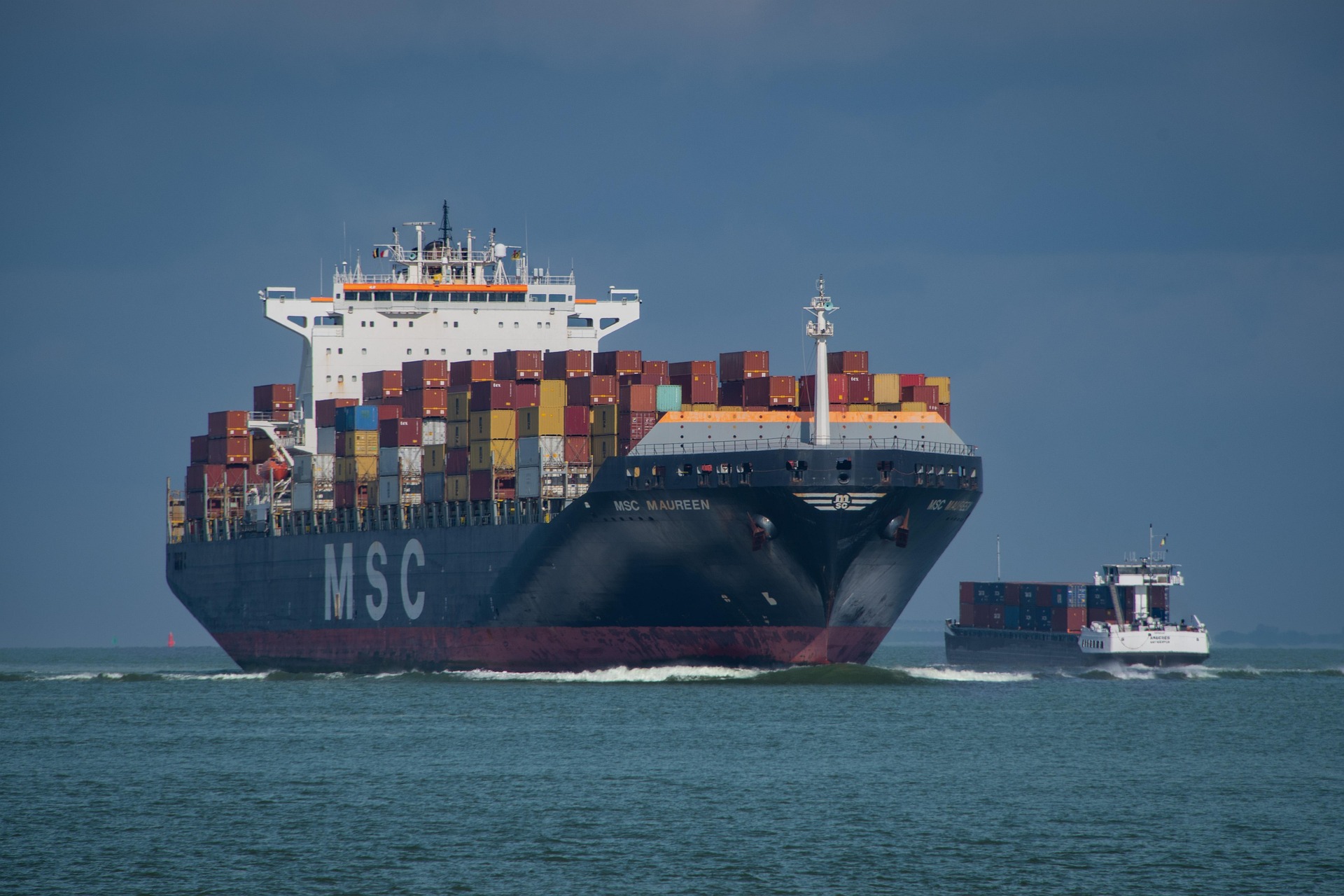
The deeper concern lies in what is happening to the arteries of global trade. The Strait of Hormuz remains one of the most strategically important shipping routes in the world, carrying around a fifth of global oil and large volumes of liquefied natural gas as well as petrochemicals and fertiliser feedstocks. Since the conflict escalated, traffic through the strait has slowed dramatically. Ship-tracking data suggests vessel movements initially fell by roughly 70%, before dropping close to zero on some days as security warnings and missile threats forced ships to hold position or turn away.
At the same time, maritime insurers have withdrawn war-risk cover from vessels entering the Gulf, a move that effectively paralyses commercial shipping even without a formal blockade. Hundreds of tankers have been left anchored outside the strait, while several vessels have been damaged in attacks in the surrounding waters. Major container shipping companies have already suspended transits or begun rerouting vessels around the Cape of Good Hope, adding weeks to journey times and dramatically increasing freight costs.
Supply chains in shock
For financial markets this is an energy shock. For agriculture, it is something broader: a supply chain shock. British farming is deeply integrated into the global input markets. Diesel for tractors, electricity for livestock housing and cold storage, and natural gas for fertiliser production all track global energy prices closely. When crude prices move sharply, those costs ripple through the entire agricultural system.
Fertiliser markets are particularly exposed. Nitrogen fertilisers rely heavily on natural gas as a feedstock, and the Gulf region is a major node in global fertiliser and ammonia trade. Any sustained disruption to shipping routes through Hormuz will tighten global supply and increase prices. Farmers have seen this before. After Russia’s 2022 invasion of Ukraine, average market prices for fertiliser climbed from around £250 per tonne to more than £800. This experience demonstrated how quickly fertiliser volatility translates into altered cropping decisions, reduced application rates and increased financial risk across the agricultural sector.
The agricultural commodity market responds
Commodity markets were quick to respond to the situation in the Middle East. UK feed wheat futures for May 2026 delivery have moved above £170 per tonne in recent days – the strongest levels for several months – as traders factor in higher energy costs and supply chain risk. Rapeseed prices in European markets have also surged past €500 per tonne, reflecting tightening oilseed markets and rising energy-linked input costs.
For milling wheat, flour and other staple food products, these movements matter. Grain markets are tightly linked to both fertiliser and energy costs. When those inputs rise, commodity prices often follow. But the implications are not purely inflationary.
Logistics under pressure
Logistics adds a second layer of pressure. Even where inputs do not originate in the Middle East, global shipping rates respond quickly to disruption in major trade corridors. When vessels are diverted around Africa rather than passing through the Red Sea or the Gulf, transit times lengthen, fuel consumption rises and insurance premiums increase. Those costs accumulate through the food supply chain.
For UK agriculture the consequences are tangible. Imported feed, packaging, machinery components and agrochemicals become more expensive. Export routes become slower and less predictable. Perishable goods such as meat, dairy and fresh produce are particularly sensitive to disruption, where even modest delays can erode both value and market access.
And while the UK imports relatively little food directly from Iran, global commodity markets are interconnected. Reduced fertiliser flows, tighter petrochemical supply or disrupted edible oil markets anywhere in the world feed into global price benchmarks. Those benchmarks ultimately determine the cost of production on British farms and the price of food on British shelves.
Food price inflation likely
Consumers will be impacted too. Food price inflation usually follows energy shocks with a slight lag as higher costs filter through processors, wholesalers and retailers. But the direction of travel is rarely ambiguous. When fertiliser, freight and fuel prices rise simultaneously, pressure builds throughout the system.
Outlook for British farmers
None of this means catastrophe is inevitable. Energy markets may stabilise. Shipping lanes may reopen quickly if the conflict de-escalates. Risk gives rise to opportunity.
Higher energy prices often support grain markets, because demand for biofuel increases and global production costs rise. Wheat and oilseed markets frequently rally during geopolitical shocks. Some analysts already suggest the current crisis could create short-term openings for grain producers if price spikes materialise.
There may also be indirect trade prospects. If Middle Eastern import demand shifts or other exporters redirect product flows, European markets could see changes in supply dynamics that open temporary windows for UK exports.
Managing exposure to volatility
For farm businesses navigating this environment, the challenge is less about predicting geopolitics and more about managing exposure.
There are practical steps many agriculture, farm and food businesses already understand well: locking in energy or fertiliser purchases where possible, forward selling grain into strong markets, reviewing input efficiency, and strengthening working capital buffers. Volatility is uncomfortable, but it can also reward disciplined risk management.
Above all, moments like this reinforce the strategic importance of resilient businesses – businesses that are efficient, diversified and able to absorb shocks.

National policy lessons for food security
The broader lesson, however, sits at the national level. The UK’s food system remains heavily dependent on imported energy, imported fertiliser, imported food and globally integrated logistics networks. Those networks work extraordinarily well in periods of stability. In periods of geopolitical tension, their fragilities are exposed.
The present crisis reinforces several structural truths. First, the UK remains deeply dependent on imported energy and agricultural inputs. Second, globalised supply chains rely on a small number of critical chokepoints. Third, geopolitical instability is no longer exceptional.
Food security is often framed narrowly as a question of supply volumes. But resilience is about more than tonnage. It includes input security, transport reliability, and most crucially, domestic production capacity and financial resilience within Britain’s farm businesses.
This moment makes the case for a coherent British food security strategy rooted in self-sufficiency and resilience. The UK is and should remain a trading nation, but strategic prudence demands reducing avoidable dependency in areas where external shocks can quickly translate into domestic instability. Supporting domestic production, encouraging nutrient circularity, investing in energy efficiency and on-farm renewables, and protecting critical infrastructure are all essential. Diversifying trade relationships and maintaining strategic reserves of key inputs can further mitigate exposure to global volatility.
Ultimately, food security is a prerequisite for national security. The conflict in the Gulf is a stark reminder that food supply is inseparable from geopolitics. Events thousands of miles away can influence the cost of planting wheat in Lincolnshire or feeding dairy cows in Carmarthenshire. For farm and food businesses the lesson is unmistakable. Agricultural resilience is central to economic productivity, living standards, and national stability. In an increasingly uncertain world, forward-looking policy grounded in domestic production, resilience, and strategic self-sufficiency is not protectionism – it is prudence.

Webinar: Resetting Farm Resilience
9 March, 1.00-2.00pm
The second session in our Farm Resilience series focuses on the principles of business turnaround: investment decisions, resource realignment, finding efficiencies and setting strategies for complex modern farms.
BOOK TODAY
Join Rural Policy Group Today
for more news, networking, advice and advocacy for the agri-food supply chain